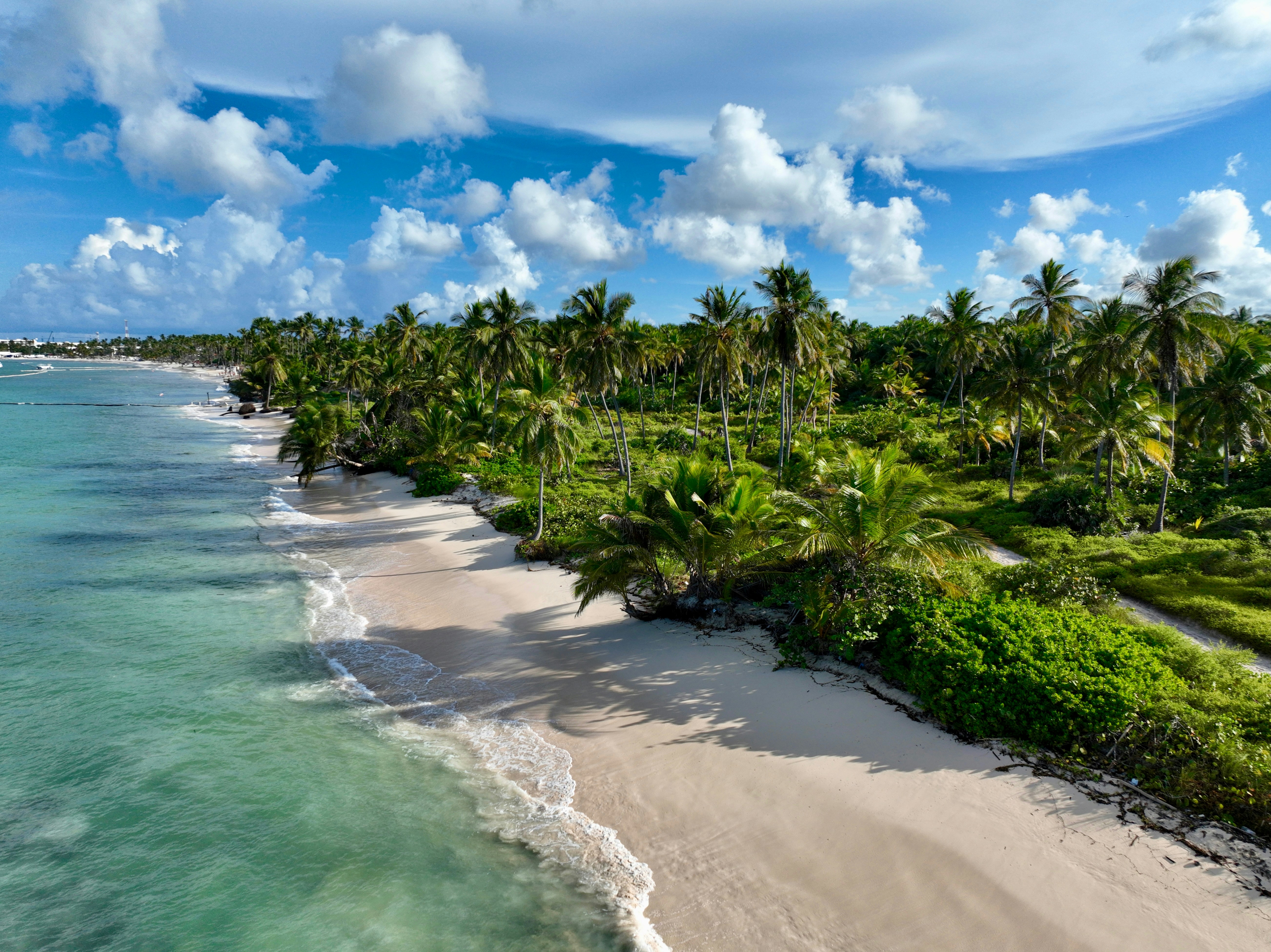
The Dominican Republic is Having a Moment
The numbers don't lie. The Dominican Republic just closed one of its strongest years in history — and 2026 is on track to break those records again.
Record for the Caribbean
97% increase YoY
In prime coastal areas
In 2025, the country welcomed a record 11.8 million tourists, making it the most visited destination in the Caribbean. Foreign Direct Investment hit $5.03 billion — with tourism attracting 26.3% of those funds and real estate close behind at 15.7%.
Property prices have risen over 10% in the past year. Short-term rental yields in areas like Punta Cana, Cabarete, and Las Terrenas are hitting 7% to 12% annually. And the government's CONFOTUR tax incentive program offers up to 15 years of property tax exemptions for qualifying tourism developments.
Investors from the US, Canada, and Europe are pouring money into Dominican real estate. But here's the problem most of them don't see coming.
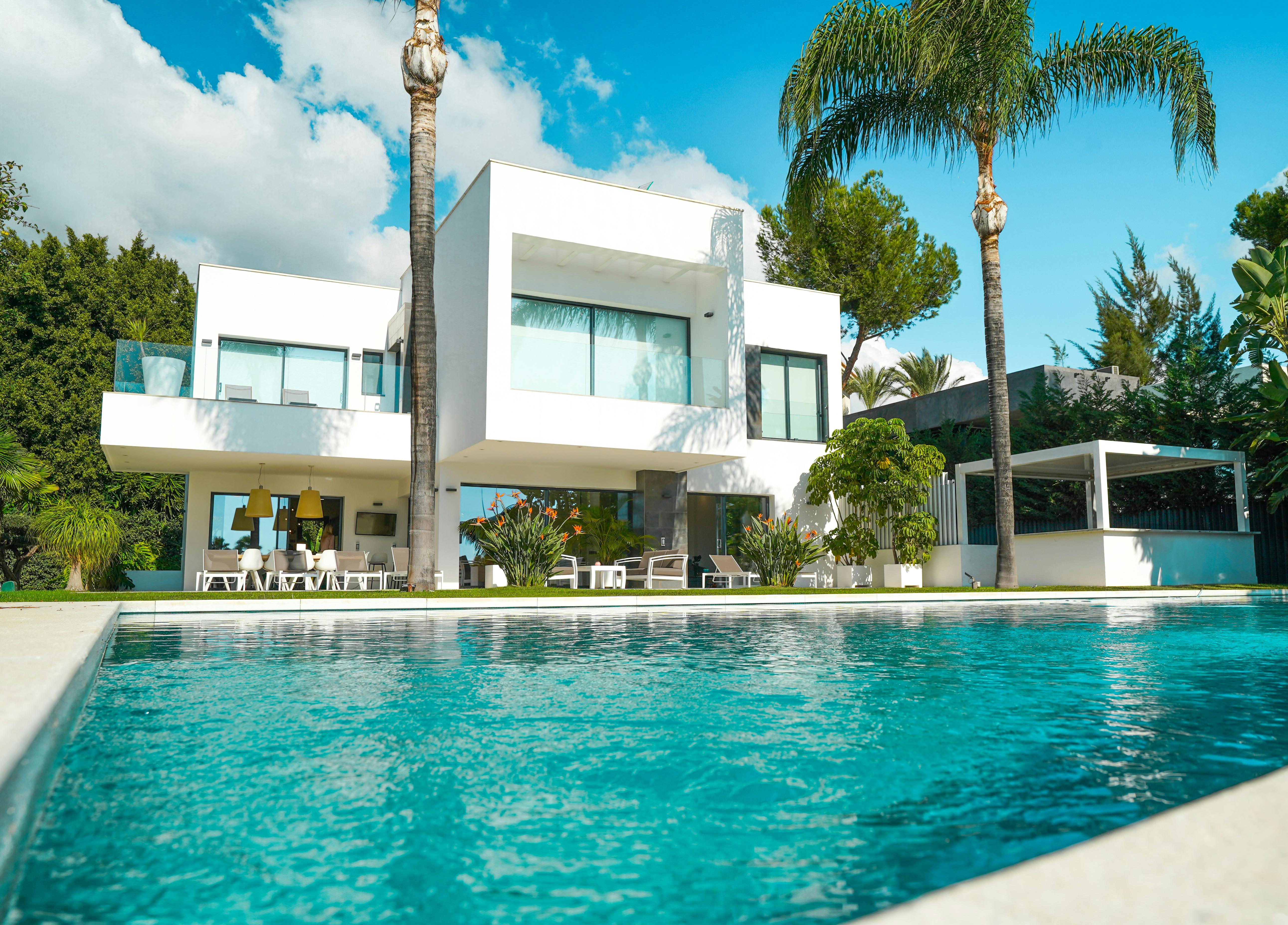
The Dominican Republic offers some of the Caribbean's best-priced luxury real estate — but most owners rely on Airbnb alone. Photo: Unsplash
The Airbnb Dependency Trap
Most property owners in the DR list their rental on Airbnb, maybe Booking.com, and call it a day. On the surface, that makes sense — these platforms bring traffic. But the math tells a different story.
Airbnb charges a 15% service fee on gross bookings. On a property generating $2,500/month in Punta Cana (which is realistic for a well-managed two-bedroom), that's $375/month going straight to the platform. That's $4,500 per year — enough to pay for a professional website, a booking system, and a year of hosting, with money left over.
You're one listing among nearly 5,000 active properties in the Punta Cana region alone. When a guest searches, Airbnb's algorithm decides who gets seen — not you.
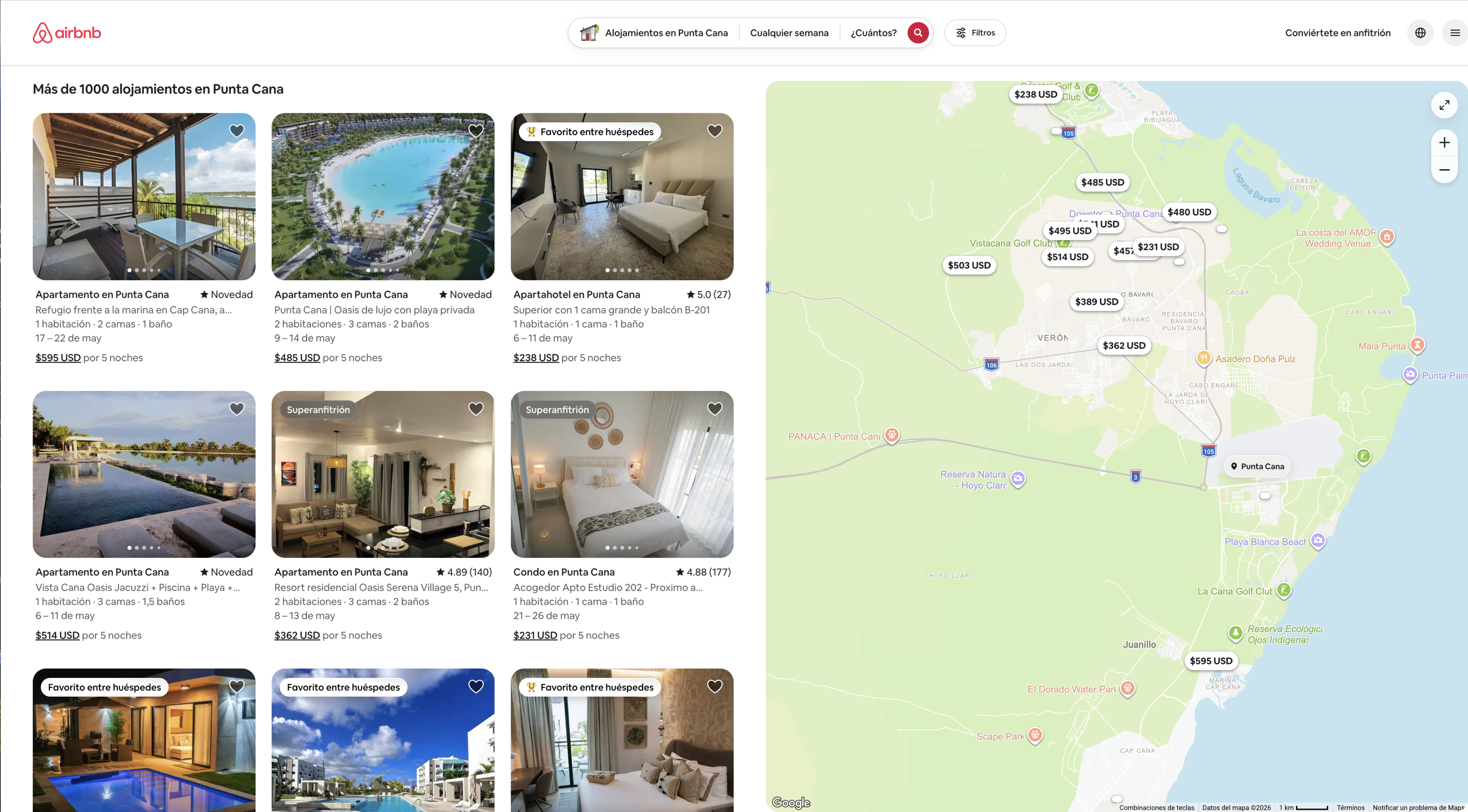
Over 1,000 active listings compete for the same guest in Punta Cana alone. Source: Airbnb.com, May 2026.
What a Direct Booking Website Actually Does for You
Having your own website doesn't mean abandoning Airbnb. It means building a channel you own — one that works alongside the platforms but gives you control over your brand, your pricing, and your guest relationships.
What Separates a Great Real Estate Website from a Bad One
Not all websites are created equal. A poorly designed site can hurt you more than having no site at all. Here's what the best real estate websites in 2026 are doing right:
1. Visual-First Design That Sells the Lifestyle
The top-performing real estate sites lead with full-bleed photography and video — not text walls. Luxury Presence, which powers sites for agents with billions in career sales, uses cinematic hero sections, warm color palettes, and generous whitespace.
For a Dominican Republic rental, this means drone footage of the coastline, interior photography that captures morning light, and imagery that sells the feeling of being there — not just a floor plan.
Casalty, a Caribbean real estate website built in Framer — designed by Ana K. Rosa.
2. Intuitive Search and Booking Flow
According to HousingWire's 2026 analysis, the best real estate websites function as "search tools that rival portals in speed and usability." For a vacation rental, this means clear availability calendars, instant booking, transparent pricing, and frictionless checkout.
3. Mobile-First Is Non-Negotiable
Over 85% of the Dominican Republic's population lives in urban areas with dominant mobile internet usage. Your international guests are also browsing on phones — usually from an airport or hotel room. If your site doesn't load fast and look perfect on mobile, you're losing bookings.
4. Trust Signals That Convert
Guest reviews, professional photography, location maps, area guides, security features, and clear contact information. Azuro Digital highlights that the best sites weave "stats, awards, and success indicators" into the homepage to create a "boutique-yet-serious impression."
5. SEO Built Into the Foundation
A beautiful website that nobody finds is just an expensive business card. The structure needs to be right from the start: semantic HTML headings, optimized meta titles and descriptions, alt text on every image, fast load times, clean URLs, and schema markup for vacation rental listings. This is where most template sites fail — they look decent but have zero SEO architecture underneath.
The Digital Nomad Factor: A Growing Audience You're Missing
Here's a trend that makes this even more urgent.
Digital nomads are reshaping the Dominican Republic's rental market. Remote workers from the US, Europe, and Latin America are choosing towns like Las Terrenas, Cabarete, and the Zona Colonial in Santo Domingo as their base — not for two-week vacations, but for months at a time.
The Digital Nomad Summit 2026 is being held in Santo Domingo this August, positioning the DR as a rising Caribbean innovation hub. And Google is building a digital hub in the country, with new submarine cables connecting the DR directly into global data flows.

Digital nomads search Google for "monthly rental Cabarete with wifi" — not Airbnb. Photo: Unsplash
These nomads don't book through Airbnb the same way tourists do. They search Google. They read blog posts. They compare. They look for properties with their own website, clear monthly rates, internet speed specs, and workspace photos.
The Real Cost: What Happens When You Don't Invest
Let's put real numbers on this.
A well-managed two-bedroom condo in Bavaro generates approximately $1,037 to $2,989 per month through Airbnb, depending on location and season. At the higher end, Airbnb's 15% fee costs roughly $5,400 per year.
A professionally designed website with a direct booking system costs between $3,000 and $6,000 to build (one-time), plus around $200–$500/year for hosting and maintenance. If that website generates even 20% of your bookings directly instead of through Airbnb, you've paid for the entire site in the first year — and every year after is pure savings.
And that's just the fee savings. Add in the SEO traffic that grows over time, the brand authority that lets you charge higher rates, and the email list of past guests you can market to directly, and the ROI becomes obvious.
What a Modern Property Website Looks Like (Built Right)
The best property websites in 2026 aren't built on bloated WordPress templates. They're built on fast, modern platforms like Framer or Webflow that prioritize speed, design quality, and SEO performance out of the box.
Here's what a properly built property website includes:
- A cinematic hero section with professional photography or video of the property and surrounding area
- Property detail pages with high-quality image galleries, amenities, floor plans, and neighborhood information
- An integrated booking system — platforms like Lodgify, Hospitable, or Hostaway embed directly into your site, giving guests real-time availability and secure payment without ever leaving your domain
- Location and area guides — these double as SEO content that attracts organic traffic (think: "Best restaurants near Bavaro Beach" or "Things to do in Cap Cana")
- Guest testimonials and reviews pulled from Airbnb/Google and displayed prominently
- A blog section for ongoing content that builds authority
- Mobile-responsive design that loads in under 3 seconds
- Schema markup for vacation rental, local business, and review structured data
- WhatsApp integration — critical for the Dominican market, where 82% of online shoppers use WhatsApp as their primary digital access point
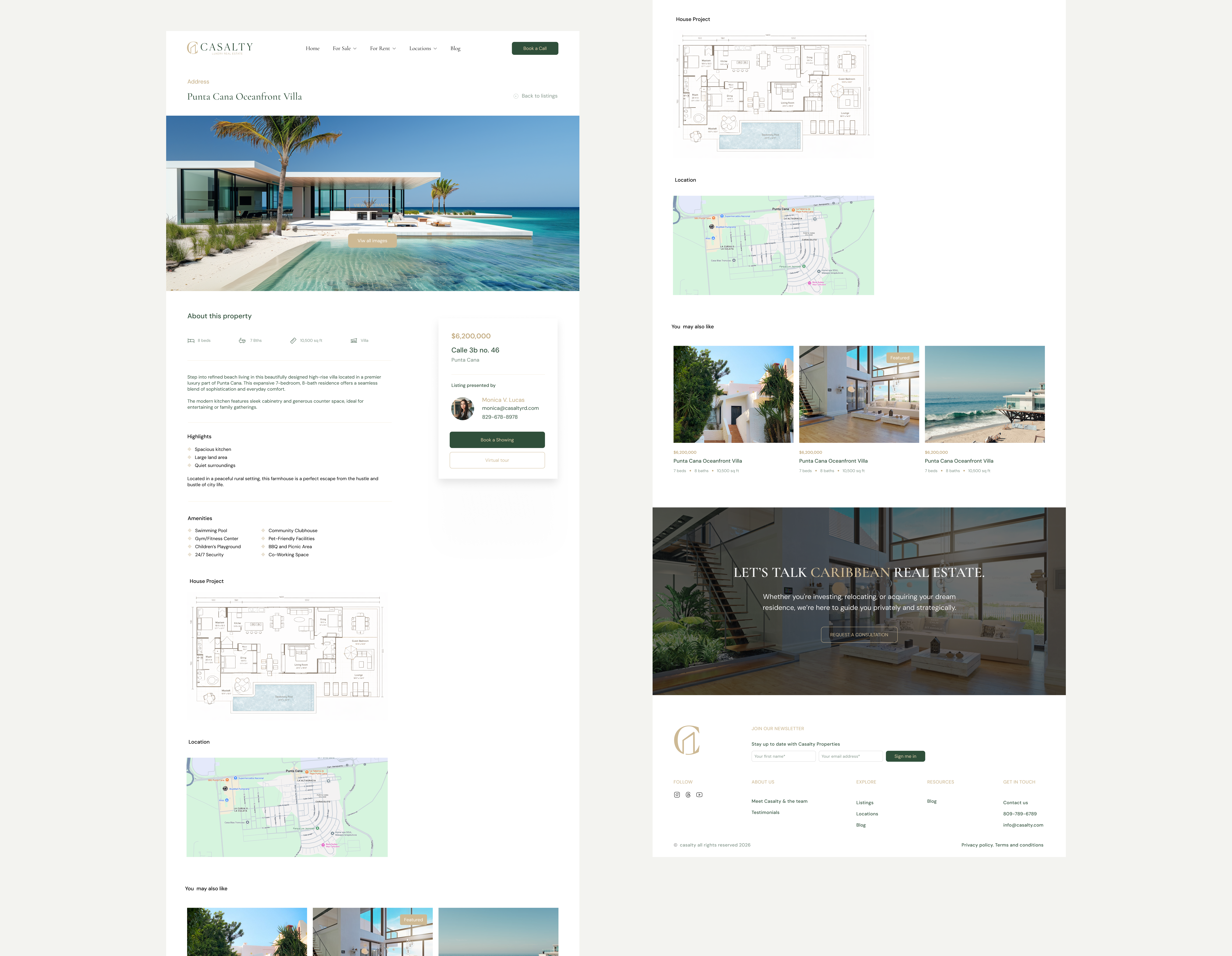
A property website built on Framer — fast, visually stunning, and SEO-optimized from the ground up.
Ready to Build Your Property's Digital Presence?
I'm a web designer based in Santo Domingo specializing in modern, high-performance websites. I design property sites that look like luxury brands and perform like lead-generation machines: fast, SEO-optimized, mobile-first, and built to convert visitors into direct bookings.